Investigating Session Length Variations Linked to Casino Incentive Programs in Virtual Wheel Gaming Environments
Gisela Coleman · Aug 26, 2026
Investigating Session Length Variations Linked to Casino Incentive Programs in Virtual Wheel Gaming Environments
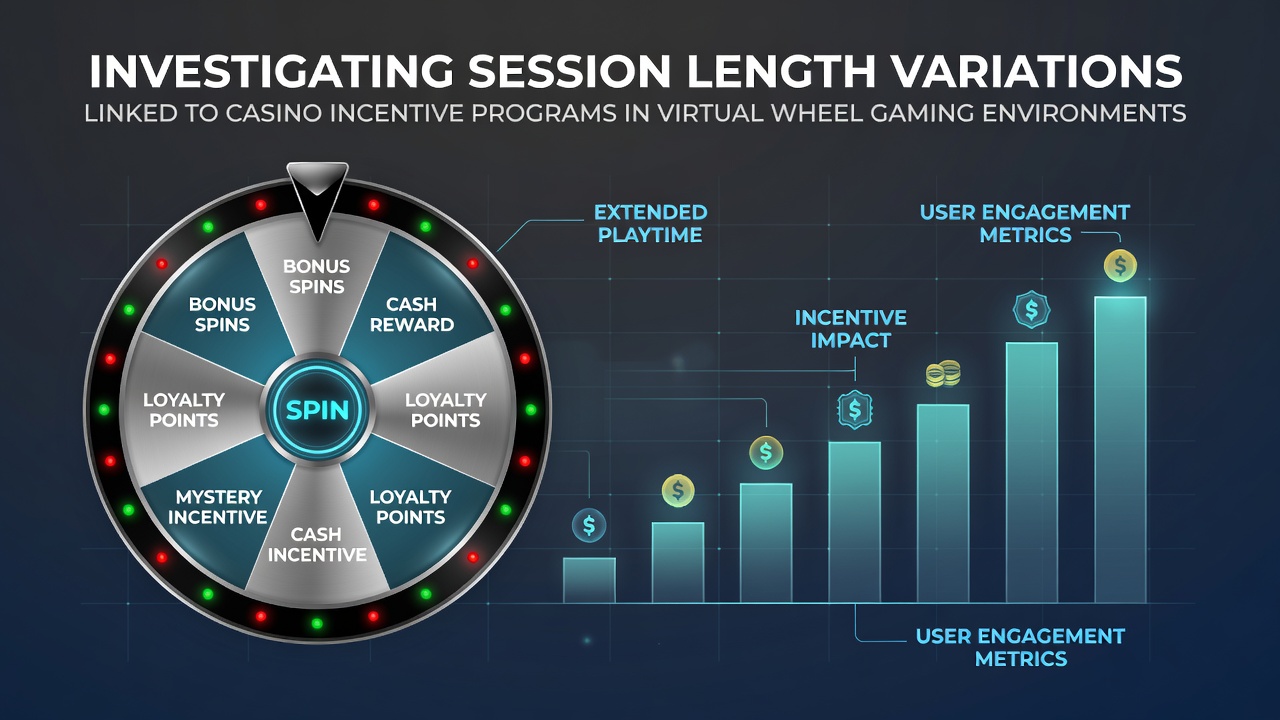
Virtual wheel gaming environments encompass digital versions of roulette and similar spinning wheel titles that operate through random number generators and real-time interfaces, and researchers have tracked how casino incentive programs correlate with changes in average session durations across multiple platforms. Data from industry monitoring services indicate that players engaging with welcome bonuses or loyalty rewards often extend their time spent on these games by measurable margins compared to those playing without active promotions.
Core Elements of Virtual Wheel Platforms
Virtual wheel games rely on software providers who integrate live dealer feeds or fully automated wheels into casino sites, and these setups allow operators to deploy targeted incentives such as deposit matches or free spin equivalents that apply directly to wheel-based bets. Observers note that session length metrics collected through platform analytics reveal distinct patterns when incentives activate during peak evening hours or weekend periods, while weekday sessions without promotions tend to conclude more rapidly.
Incentive Structures and Their Reach
Casino operators structure incentive programs around deposit requirements, wagering multipliers, and game-specific eligibility rules, and these elements influence how long participants remain engaged with wheel titles before cashing out or logging off. Figures compiled by tracking firms show that reload bonuses tied to minimum deposit thresholds frequently produce longer average sessions than one-time sign-up offers, particularly when the bonuses apply across multiple wheel variants including European, American, and French roulette formats.
Session Data Patterns Emerging in 2026
In August 2026, aggregated reports from platform operators documented shifts in session lengths that aligned with seasonal incentive campaigns, and analysts linked these changes to both the value of the rewards and the types of wheel games featured in the promotions. Studies conducted by academic groups at institutions focused on behavioral economics have quantified these variations, noting that players under cashback incentives averaged sessions exceeding forty-five minutes while those without active offers ended play closer to twenty-five minutes on average.

Yet the same datasets reveal that high-wagering loyalty tiers sometimes compress session times because participants focus on clearing requirements rather than exploratory play, whereas lower-tier incentives encourage extended browsing across multiple wheel tables. Researchers tracking these outcomes across North American and European markets have identified that incentive expiration dates also factor into duration spikes, with players intensifying activity in the final days before bonuses lapse.
Regional Regulatory Contexts
Authorities in Ontario through the Alcohol and Gaming Commission of Ontario have required operators to log session data alongside incentive redemptions, and similar reporting mandates appear in Australian state frameworks administered by bodies such as the Victorian Commission for Gambling and Liquor Regulation. National Council on Problem Gambling resources highlight how these records help identify correlations between promotional structures and extended play periods, while European Gaming and Betting Association summaries provide comparative statistics from multiple jurisdictions that show incentive-linked sessions varying by as much as thirty percent depending on local rules around bonus transparency.
Factors Driving Observed Variations
Platform algorithms adjust incentive visibility based on player history, and this personalization contributes to differences in how long individuals remain in virtual wheel environments once a bonus activates. Data indicates that mobile users respond to push notifications about wheel-specific promotions with longer sessions than desktop users, whereas those accessing games through affiliate links often display shorter durations because they arrive with pre-determined spending limits. Observers have recorded that tournaments built around wheel games and funded by pooled incentive contributions produce the most pronounced extensions in average play time, sometimes doubling baseline figures during event windows.
Analytical Methods Applied to the Data
Statistical models employed by research teams incorporate variables such as bonus type, game volatility, and time-of-day access patterns, and these models isolate the contribution of incentives to session length changes while controlling for external factors like jackpot size or competitor promotions. Evidence from longitudinal studies demonstrates that players who receive tiered loyalty rewards maintain more consistent session lengths across weeks, whereas those responding to flash deposit bonuses show greater volatility in duration from one visit to the next.
Conclusion
Session length variations tied to casino incentive programs in virtual wheel gaming environments continue to attract systematic investigation through platform analytics and cross-jurisdictional comparisons, and the patterns documented through 2026 underscore the measurable impact of reward structures on player behavior across different regulatory landscapes. Continued collection of these metrics supports more precise understanding of how specific incentive designs interact with game mechanics to shape engagement durations.