Customizing Display Settings and Their Link to Format Preferences in Virtual Wheel Games
Olivia Hayes · Oct 30, 2026
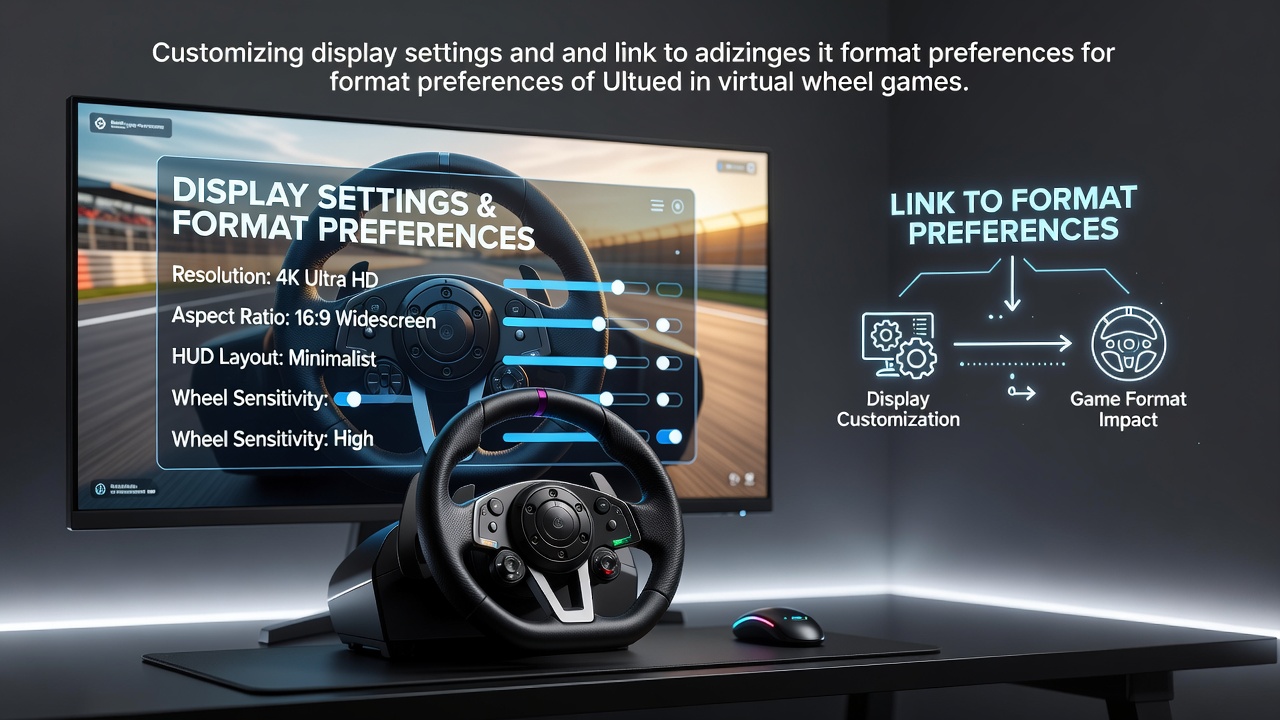
Customizing Display Settings and Their Link to Format Preferences in Virtual Wheel Games
Virtual wheel games rely on adjustable display parameters that shape how players interact with single-zero and double-zero layouts, and data collected across multiple platforms shows direct correlations between those parameters and format selection patterns. Resolution settings, contrast levels, color temperature adjustments, and zoom functions each modify the visual presentation of wheel segments, number placements, and payout indicators in ways that influence which variant users choose during extended sessions.
Core Display Parameters in Virtual Wheel Environments
Platform developers offer sliders and presets for brightness, sharpness, and hue that alter the appearance of wheel graphics in real time, and studies tracking user behavior indicate that participants adjust these controls most frequently when switching between format types. Higher resolution modes render finer details on single-zero wheels where the absence of a second zero creates tighter spacing between numbers, whereas lower settings can compress that visual distinction and shift selections toward double-zero presentations that retain clearer separation even at reduced clarity.
Contrast controls affect how ball trajectories and segment boundaries appear during spins, and researchers tracking session logs in October 2026 noted that elevated contrast values coincided with increased time spent on single-zero formats while reduced contrast aligned with longer double-zero play intervals. Color temperature tweaks, ranging from warm to cool spectra, change the perceived vibrancy of betting zones and background elements, which in turn correlates with format preferences documented in aggregated platform analytics from North American and European operators.
Observed Connections Between Settings and Format Choices
Evidence from multiple operator datasets reveals that users who calibrate zoom functions to enlarge specific wheel sections demonstrate stronger retention on single-zero variants, because the extra space allows clearer viewing of the reduced number set without crowding. Those who maintain default zoom levels or apply minimal magnification tend to favor double-zero wheels where the additional segment provides more visual targets even at standard magnification. Brightness adjustments follow similar patterns, with mid-range values supporting balanced engagement across both formats while extreme settings push selections toward one layout over the other.
One study released by the Nevada Gaming Control Board in 2025 examined display logs from licensed virtual wheel titles and found measurable shifts in format selection after players modified sharpness and saturation sliders. Participants who increased sharpness reported higher engagement with single-zero wheels because number edges stayed distinct, whereas saturation increases linked to greater double-zero usage as the extra zero segment gained visual weight against surrounding colors.
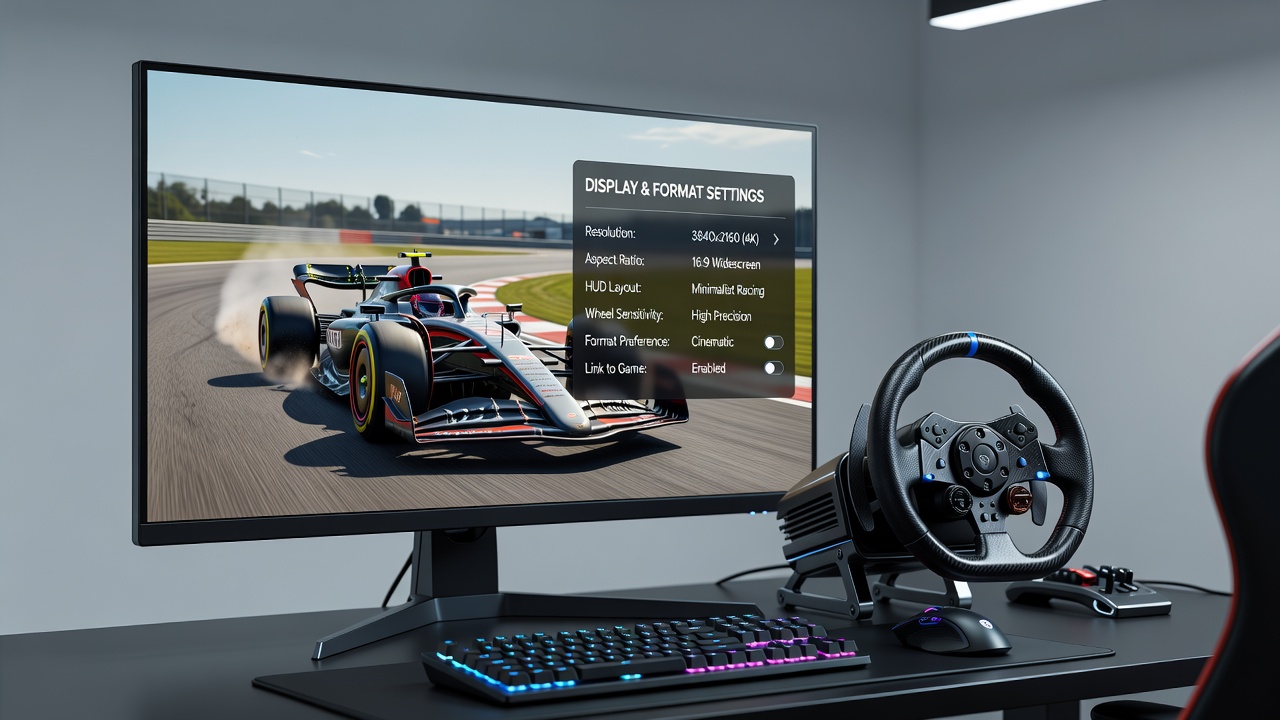
Platform Implementation and Regional Data Trends
Software providers integrate these controls into both desktop and mobile clients, allowing seamless transitions between formats without leaving the game window, and telemetry from Australian operators shows that mobile users adjust display settings more often than desktop users because smaller screens amplify the impact of each change. In October 2026, reports from the Australian Communications and Media Authority highlighted rising adoption of adaptive display profiles that automatically suggest settings based on detected device type and prior format history.
Industry reports compiled by the International Gaming Standards Association document how color-blind modes and high-contrast accessibility options further influence format preferences, with those features producing distinct selection distributions compared to standard profiles. Data collected across Canadian provinces indicates that accessibility presets correlate with sustained play on double-zero wheels, likely because the additional segment remains distinguishable under modified palettes.
Technical Factors Driving Preference Shifts
Rendering engines handle anti-aliasing and frame rates differently depending on chosen wheel format, and observers note that single-zero wheels benefit more from higher frame rates because the smaller number set requires smoother animation to maintain readability during rapid spins. Double-zero wheels, by contrast, show less sensitivity to frame rate drops since the extra segment provides additional visual anchors. These technical interactions explain why certain display configurations stabilize player retention on one format while prompting migration away from the other.
Device-specific testing conducted by independent laboratories confirms that tablet screens with higher pixel densities support finer customization without introducing lag, and users on such hardware demonstrate wider experimentation across both wheel types before settling on a preferred layout. Lower-density screens limit effective customization ranges and steer selections toward formats that remain legible under constrained settings.
Conclusion
Display customization options in virtual wheel games function as active variables that shape format selection through measurable visual and technical pathways, with platform data consistently linking specific parameter combinations to single-zero or double-zero retention patterns. Continued monitoring of these relationships, particularly around device advancements and accessibility features, provides operators with concrete information for interface design decisions across regions.